

Mountaineers Studies Center
Official Chronicler of Cantabria since 1934
From age INNOVATIONS
CCreated in Santander in the year 1934 and slowly approaching the century old, the Mountaineers Studies Center has been meeting essential demands of culture in the Cantabrian region, offering at the same time a stable and extensive range of first-rate cultural projects and infrastructures.
It was born in utopian times of the small homeland of Marcelino Menéndez Pelayo and in his own superb library, embebido en el espíritu del polígrafo y en ambientes de estudio con gran trascendencia en el panorama histórico internacional, as those linked with archeology,,es,prehistoric rock art and the,,es,Cave of Altamira,,es,grotto of which the C.E.M,,ca,I take the,,es,name for,,es,your new magazine,,es,or with the old Cantabria and the,,es,that allowed Emperor Caesar Augustus to project Rome towards his great empire,,es,and other diverse heritage compilations,,es,valued and conservation projects of the culture of Cantabria have their origin,,es,to the Center for Mountain Studies and their,,es,members,,es,At present it continues to maintain a broad participation in the,,es, el arte rupestre prehistórico y la Cueva de Altamira, gruta de la que el C.E.M. took the name for his new magazine “Altamira” that was taking over from the Santander Magazine to give it an open projection to the world, o con la antigua Cantabria y las Guerras Cántabras que permitieron al emperador César Augusto proyectar Roma hacia su gran imperio, por citar a vuelapluma dos temas de máximo interés en aquella primera mitad de siglo.
Its the Centro de Estudios Montañeses is well known for its extensive publishing projection, that, maintaining the current rate, it will be able to reach two hundred monographs when it shortly reaches its first centenary of existence, to which should be added another hundred volumes of periodicals published under his seal, although he has to his credit many other meritorious achievements less remembered by the general public: El Archivo Histórico de Cantabria, los museos Etnográfico, maritime and of Prehistoria y otras diversas recopilaciones patrimoniales, puestas en valor y proyectos de conservación de la cultura de Cantabria tienen en su origen, as creators and main players, al Centro de Estudios Montañeses y a sus miembros.
It continues to maintain a wide participation in the culture of Cantabria and vast publishing trajectory that spreads profusely around the world, effectively contributing to making the most outstanding aspects of the culture of Cantabria universally known.
Its contributions as an advisory body on cultural heritage and the sharing of multidisciplinary perspectives on culture between generations, make this veteran entity continuous and valuable reference.
Itl Mountaineers Studies Center is a cultural institution for the promotion of studies on the history, Literature, art, la etnografía y las ciencias de la comunidad autónoma de Cantabria, which is the Official Chronicler, title with which his previous status as Official Chronicler of the Province of Santander was subrogated. He is a member of Consejo Superior de Investigaciones Científicas (CSIC) integrado en la Confederación Española de Centros de Estudios Locales (CECEL) and was a founding member and dean of the disappeared Cultural Institution of Cantabria (1967-2013). It is also Institución Consultiva para la Historia y el Patrimonio de Cantabria. In March 1994 fue nombrado Socio de Honor de la Casa de Cantabria en Madrid. Es también Asesor Heráldico o Rey de Armas de los Ayuntamientos de la región desde marzo de 1995.
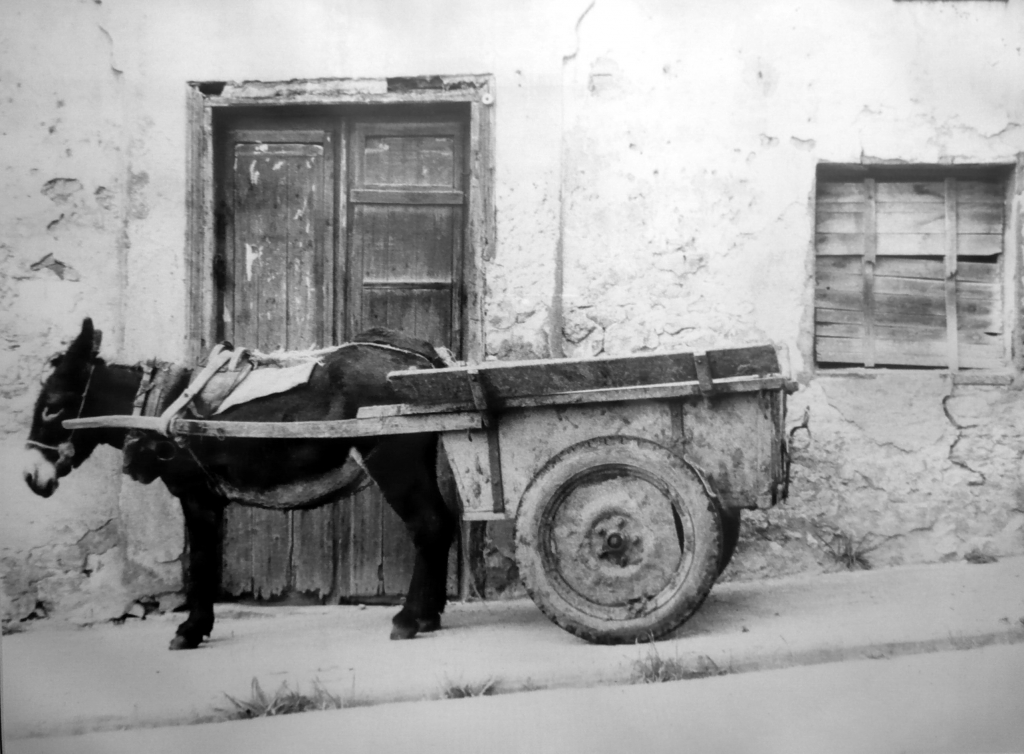
DThe Center for Mountain Studies has relevant documentary collections, some of which have been inventoried and digitized, becoming publicly available in recent times. Library, with an interesting section of old funds, has more than 10.000 copies related to the culture and history of Cantabria; the newspaper library reaches 15.000 volumes, exceeding the 600 april. Archival originals contain numerous relevant documents, some of them consultable here, among which we can cite only by way of example some exceptional works, as the Cartulario of the Monastery of Oña, the inventory of documents of the Santander Cathedral prior to the fire of 1941, the inventory of the Piarist College of Villacarriedo from the Age of Enlightenment or the relations of municipal historical archives of Cantabria prepared in the middle of the 20th century. The historical photography collections of the CEM are equally noteworthy, undoubtedly the most important in the country referring to the architectural and artistic heritage of Cantabria (The Mountain Art Archive, self-made in the middle of the 20th century to record the location of the architectural and artistic heritage of Cantabria and gather materials for study, or the collections of Fernando Cevallos de León and Julio García de la Puente among the most notable, whose original negatives and slides we keep and reproduce digitally in the corresponding sections of this website …
A long editorial series from 1934




Views: 171706